How to Choose the Best Calisthenics Gym and Coach in the UK: A Complete Guide
Find qualified calisthenics coaches in the UK: essential credentials, training styles, and red flags to avoid when choosing gyms.
Olivia Kuit
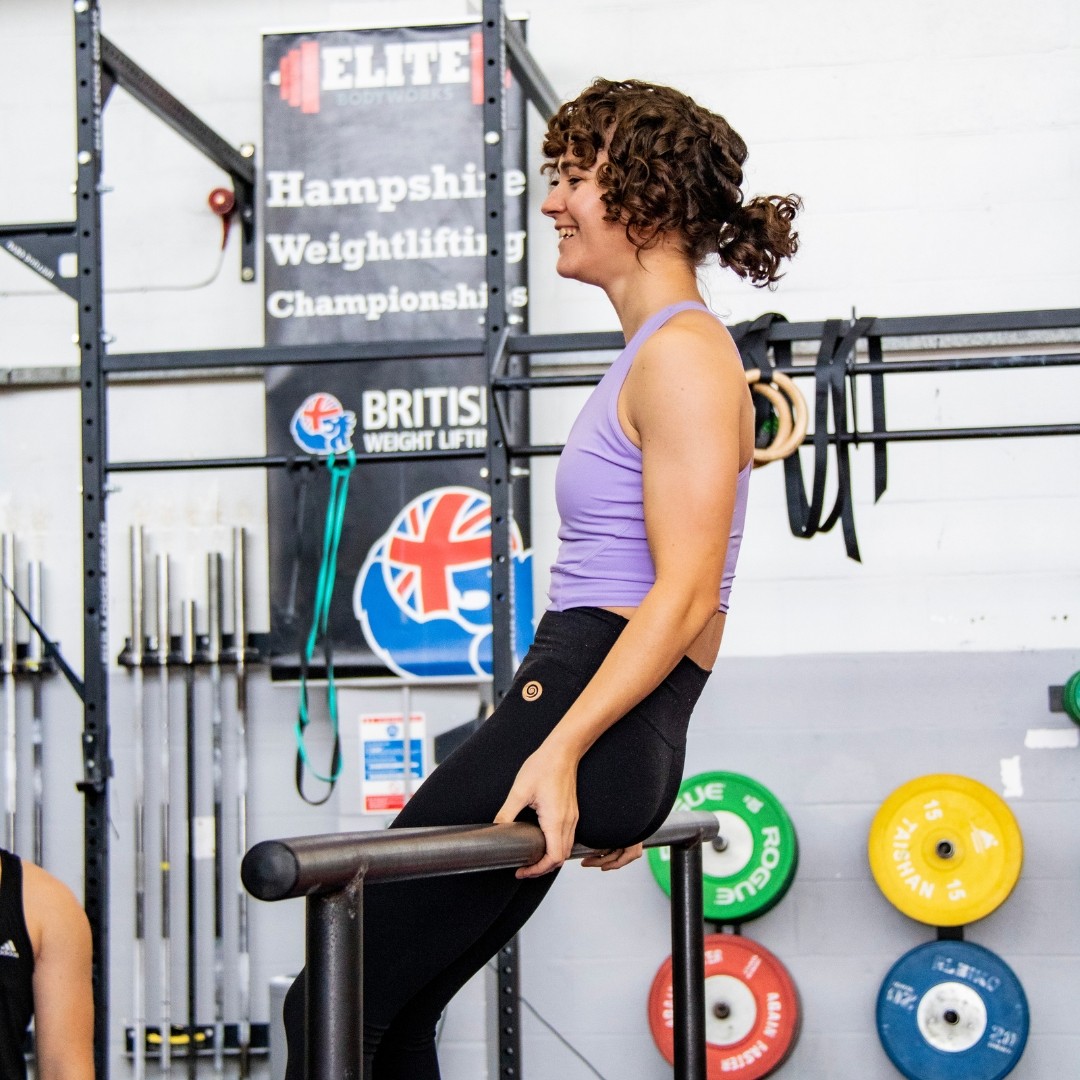
Finding the right calisthenics gym in the UK can make or break your bodyweight training journey.
Whether you're searching for "calisthenics classes near me" or looking to master advanced skills like the planche, choosing the right coach and training environment is crucial for your success.
Essential Qualifications: What Every UK Calisthenics Coach Should Have
When evaluating calisthenics coaches in the UK, professional credentials should be your first priority. Here's what to look for:
Personal Training Qualifications
Minimum Level 2 Personal Training qualification (Level 3 or 4 preferred)
Valid public liability insurance for coaching
Current First Aid certification
These might seem less important when you're eager to learn advanced calisthenics skills, but any serious UK fitness professional will have these foundations in place.
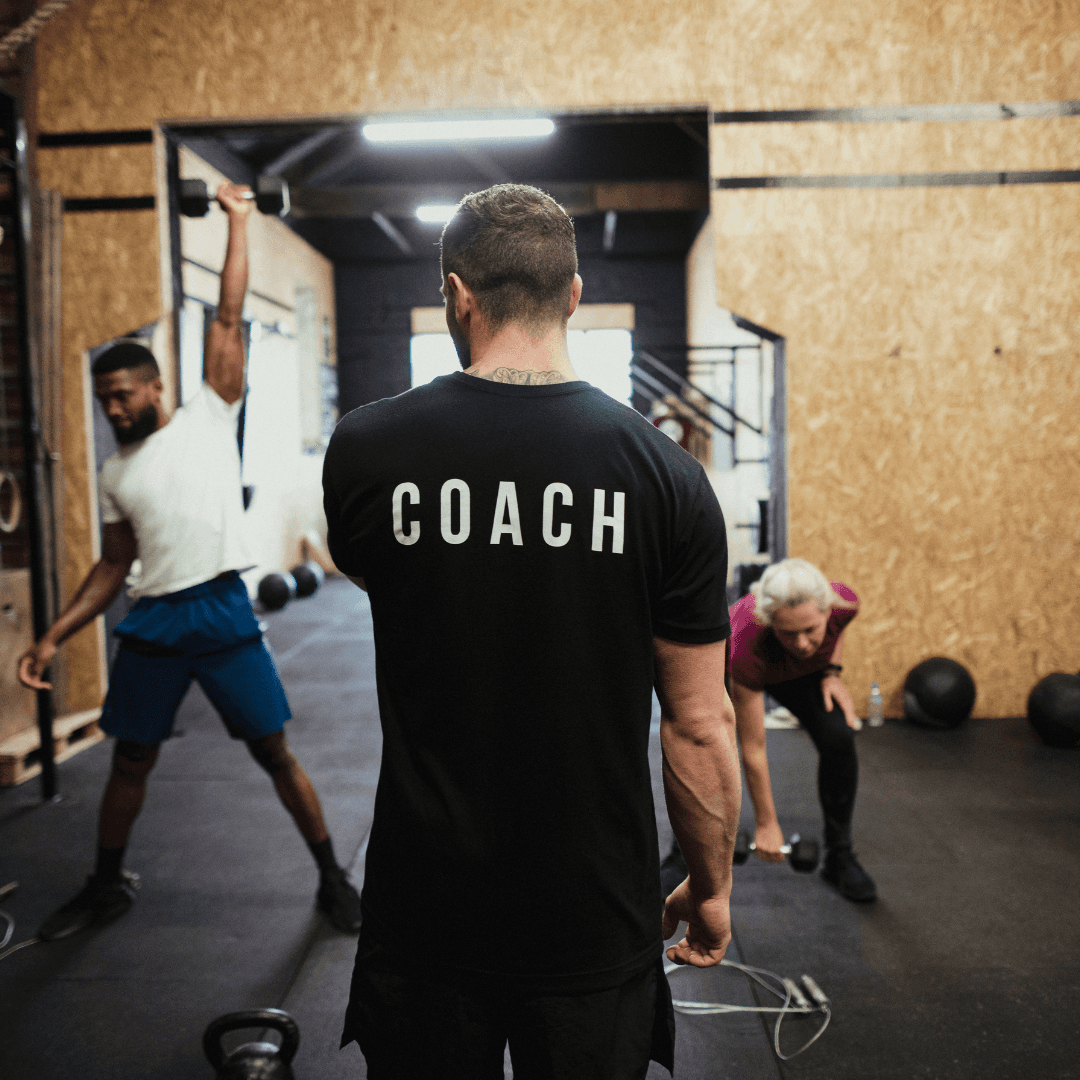
Calisthenics-Specific Credentials
In today's fitness landscape, where social media influencers offer coaching services, industry accreditation matters more than ever. While calisthenics-specific qualifications aren't mandatory, they demonstrate genuine expertise. Look for:
UKCO Coaching Certificate (UK Calisthenics Organisation)
Recognised bodyweight training certifications
Evidence of continuing professional development in calisthenics
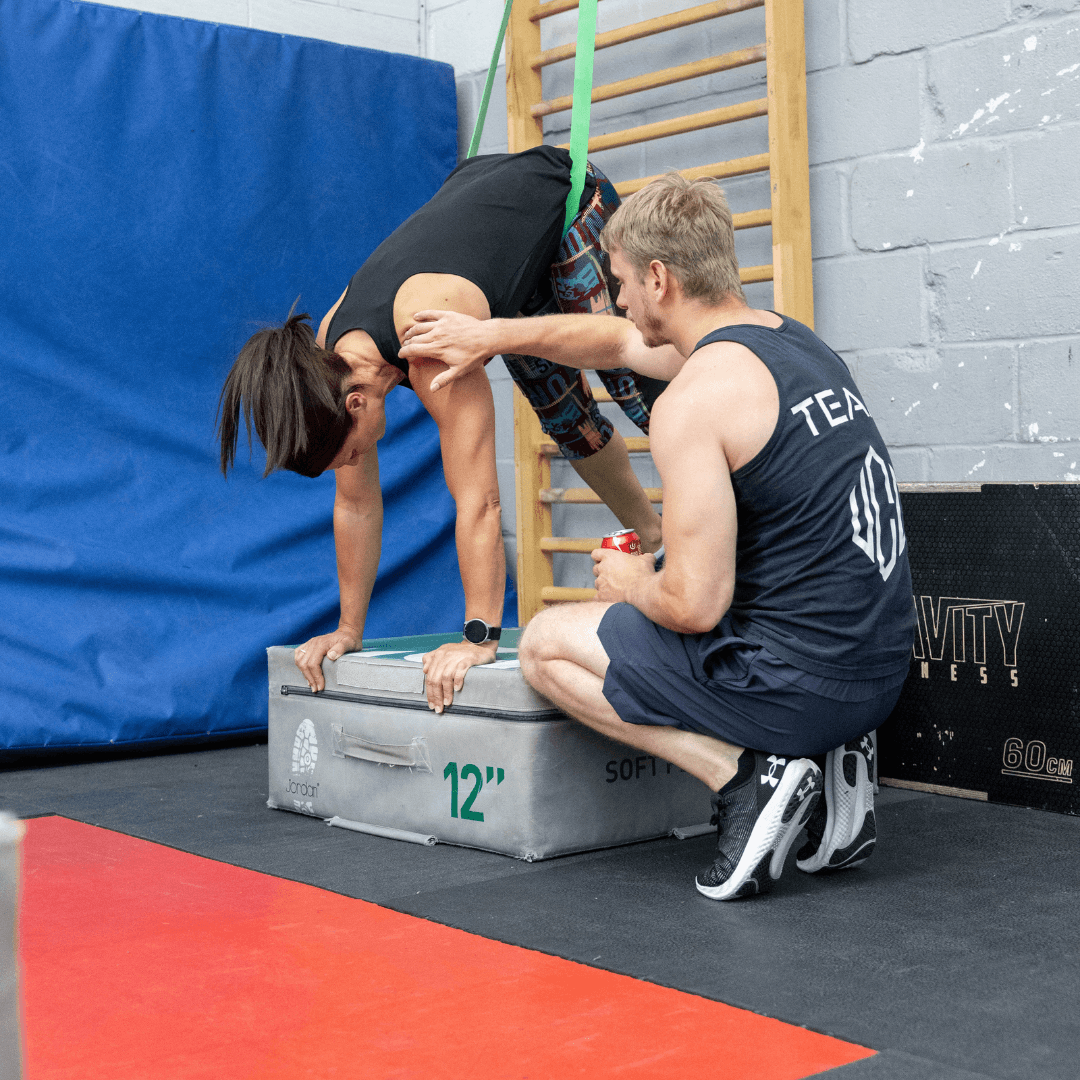
Finding the Right Coach for Your Calisthenics Goals
For Beginners Starting Calisthenics in the UK
If you're new to bodyweight training, seek coaches with:
Proven experience teaching calisthenics fundamentals
Success stories from previous beginner clients
Focus on building functional strength foundations
For Advanced Calisthenics Athletes
Experienced practitioners looking to master advanced calisthenics skills or compete should find coaches who:
Have trained competitive calisthenics athletes
Demonstrate proficiency in high-level skills
Understand calisthenics progression methods
Remember: A Cirque du Soleil hand balancer might not be the best choice for learning your first pull-up!
Training Style and Curriculum Compatibility
Your chosen UK calisthenics gym should align with your specific goals:
Skills-focused training: Look for programmes emphasising technique and progression in movements like:
Handstands and handstand variations
Muscle-ups and advanced pull-up progressions
Human flag and planche progressions
Strength and conditioning focus: Some prefer gyms emphasising:
High-volume bodyweight exercises
Street lifting (weighted calisthenics)
Endurance-based calisthenics workouts
Well-rounded approach: Beginners benefit most from UK calisthenics classes covering both foundational strength and skill development.
Calisthenics Equipment: What Actually Matters
While impressive facilities catch the eye, calisthenics equipment quality trumps aesthetics:
Essential Equipment for UK Calisthenics Gyms:
Pull-up bars with adequate overhead clearance for muscle-ups
Parallel bars or dip stations
Sufficient floor space for ground-based movements
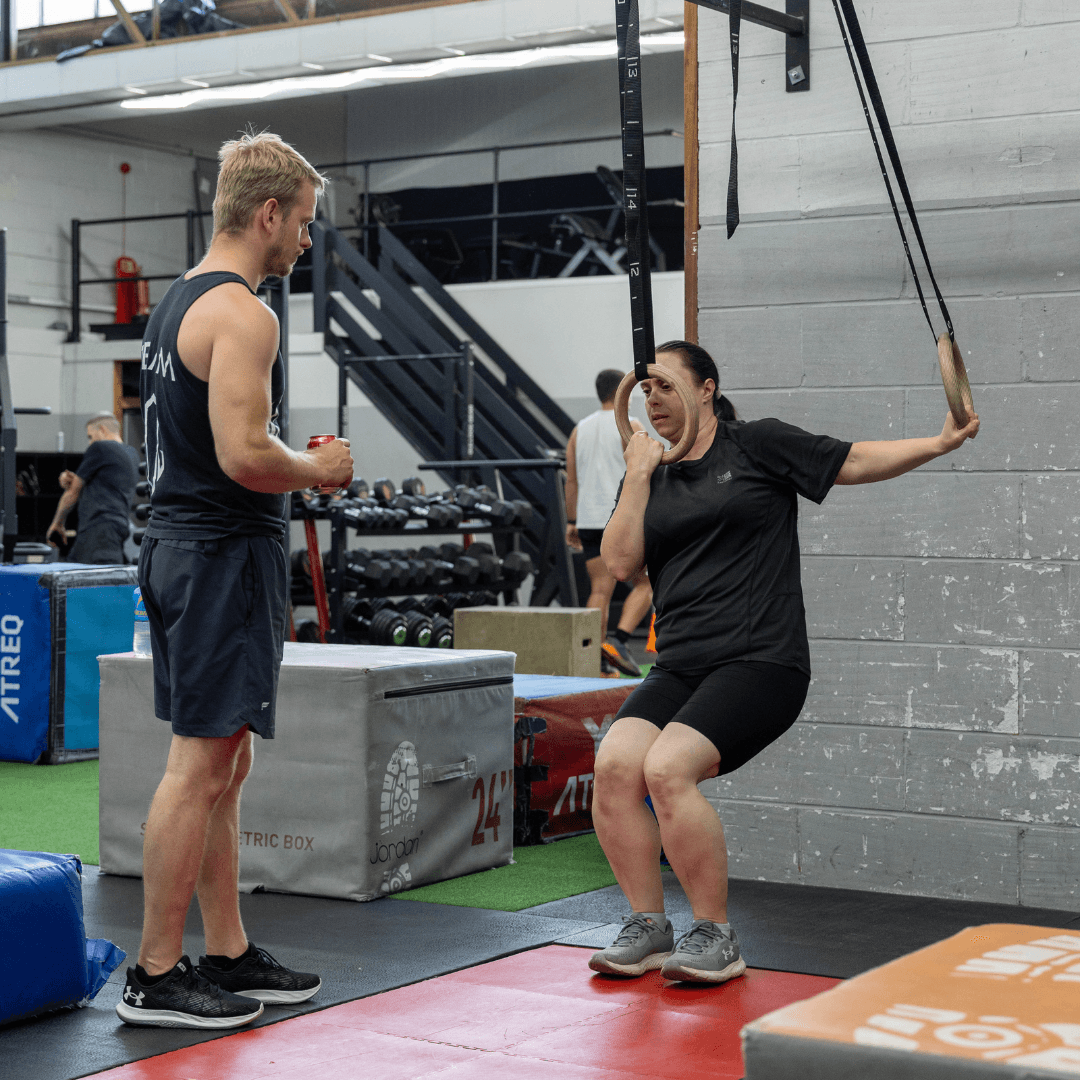
Advanced Equipment (for progression):
Swedish wall bars for human flag training
Crash mats for freestyle calisthenics
Resistance bands for assisted progressions
Avoiding Common Pitfalls in UK Fitness Centres
Calisthenics popularity has surged across the UK, leading many commercial gyms to add classes to their timetables. Beware of:
Generic fitness instructors teaching calisthenics without specific training
Facilities prioritising aesthetics over qualified instruction
Classes taught by instructors with minimal bodyweight training experience
A smoothie bar and fancy lighting don't compensate for unqualified instruction!
Where to Find Qualified Calisthenics Coaches in the UK
Start your search with the UKCO accredited trainers directory – the gold standard for finding qualified calisthenics professionals across Britain.
Ready to Begin Your UK Calisthenics Journey?
Choosing the right coach and training environment sets the foundation for your bodyweight training success. Prioritise qualifications, relevant experience, and training philosophy alignment over flashy facilities.
Whether you're in London, Manchester, Birmingham, or anywhere across the UK, qualified calisthenics instruction is key to safe, effective progression in this challenging but rewarding discipline.
How to Choose the Best Calisthenics Gym and Coach in the UK: A Complete Guide
Find qualified calisthenics coaches in the UK: essential credentials, training styles, and red flags to avoid when choosing gyms.
Olivia Kuit
Finding the right calisthenics gym in the UK can make or break your bodyweight training journey.
Whether you're searching for "calisthenics classes near me" or looking to master advanced skills like the planche, choosing the right coach and training environment is crucial for your success.
Essential Qualifications: What Every UK Calisthenics Coach Should Have
When evaluating calisthenics coaches in the UK, professional credentials should be your first priority. Here's what to look for:
Personal Training Qualifications
Minimum Level 2 Personal Training qualification (Level 3 or 4 preferred)
Valid public liability insurance for coaching
Current First Aid certification
These might seem less important when you're eager to learn advanced calisthenics skills, but any serious UK fitness professional will have these foundations in place.
Calisthenics-Specific Credentials
In today's fitness landscape, where social media influencers offer coaching services, industry accreditation matters more than ever. While calisthenics-specific qualifications aren't mandatory, they demonstrate genuine expertise. Look for:
UKCO Coaching Certificate (UK Calisthenics Organisation)
Recognised bodyweight training certifications
Evidence of continuing professional development in calisthenics
Finding the Right Coach for Your Calisthenics Goals
For Beginners Starting Calisthenics in the UK
If you're new to bodyweight training, seek coaches with:
Proven experience teaching calisthenics fundamentals
Success stories from previous beginner clients
Focus on building functional strength foundations
For Advanced Calisthenics Athletes
Experienced practitioners looking to master advanced calisthenics skills or compete should find coaches who:
Have trained competitive calisthenics athletes
Demonstrate proficiency in high-level skills
Understand calisthenics progression methods
Remember: A Cirque du Soleil hand balancer might not be the best choice for learning your first pull-up!
Training Style and Curriculum Compatibility
Your chosen UK calisthenics gym should align with your specific goals:
Skills-focused training: Look for programmes emphasising technique and progression in movements like:
Handstands and handstand variations
Muscle-ups and advanced pull-up progressions
Human flag and planche progressions
Strength and conditioning focus: Some prefer gyms emphasising:
High-volume bodyweight exercises
Street lifting (weighted calisthenics)
Endurance-based calisthenics workouts
Well-rounded approach: Beginners benefit most from UK calisthenics classes covering both foundational strength and skill development.
Calisthenics Equipment: What Actually Matters
While impressive facilities catch the eye, calisthenics equipment quality trumps aesthetics:
Essential Equipment for UK Calisthenics Gyms:
Pull-up bars with adequate overhead clearance for muscle-ups
Parallel bars or dip stations
Sufficient floor space for ground-based movements
Advanced Equipment (for progression):
Swedish wall bars for human flag training
Crash mats for freestyle calisthenics
Resistance bands for assisted progressions
Avoiding Common Pitfalls in UK Fitness Centres
Calisthenics popularity has surged across the UK, leading many commercial gyms to add classes to their timetables. Beware of:
Generic fitness instructors teaching calisthenics without specific training
Facilities prioritising aesthetics over qualified instruction
Classes taught by instructors with minimal bodyweight training experience
A smoothie bar and fancy lighting don't compensate for unqualified instruction!
Where to Find Qualified Calisthenics Coaches in the UK
Start your search with the UKCO accredited trainers directory – the gold standard for finding qualified calisthenics professionals across Britain.
Ready to Begin Your UK Calisthenics Journey?
Choosing the right coach and training environment sets the foundation for your bodyweight training success. Prioritise qualifications, relevant experience, and training philosophy alignment over flashy facilities.
Whether you're in London, Manchester, Birmingham, or anywhere across the UK, qualified calisthenics instruction is key to safe, effective progression in this challenging but rewarding discipline.
How to Choose the Best Calisthenics Gym and Coach in the UK: A Complete Guide
Find qualified calisthenics coaches in the UK: essential credentials, training styles, and red flags to avoid when choosing gyms.
Olivia Kuit
Finding the right calisthenics gym in the UK can make or break your bodyweight training journey.
Whether you're searching for "calisthenics classes near me" or looking to master advanced skills like the planche, choosing the right coach and training environment is crucial for your success.
Essential Qualifications: What Every UK Calisthenics Coach Should Have
When evaluating calisthenics coaches in the UK, professional credentials should be your first priority. Here's what to look for:
Personal Training Qualifications
Minimum Level 2 Personal Training qualification (Level 3 or 4 preferred)
Valid public liability insurance for coaching
Current First Aid certification
These might seem less important when you're eager to learn advanced calisthenics skills, but any serious UK fitness professional will have these foundations in place.
Calisthenics-Specific Credentials
In today's fitness landscape, where social media influencers offer coaching services, industry accreditation matters more than ever. While calisthenics-specific qualifications aren't mandatory, they demonstrate genuine expertise. Look for:
UKCO Coaching Certificate (UK Calisthenics Organisation)
Recognised bodyweight training certifications
Evidence of continuing professional development in calisthenics
Finding the Right Coach for Your Calisthenics Goals
For Beginners Starting Calisthenics in the UK
If you're new to bodyweight training, seek coaches with:
Proven experience teaching calisthenics fundamentals
Success stories from previous beginner clients
Focus on building functional strength foundations
For Advanced Calisthenics Athletes
Experienced practitioners looking to master advanced calisthenics skills or compete should find coaches who:
Have trained competitive calisthenics athletes
Demonstrate proficiency in high-level skills
Understand calisthenics progression methods
Remember: A Cirque du Soleil hand balancer might not be the best choice for learning your first pull-up!
Training Style and Curriculum Compatibility
Your chosen UK calisthenics gym should align with your specific goals:
Skills-focused training: Look for programmes emphasising technique and progression in movements like:
Handstands and handstand variations
Muscle-ups and advanced pull-up progressions
Human flag and planche progressions
Strength and conditioning focus: Some prefer gyms emphasising:
High-volume bodyweight exercises
Street lifting (weighted calisthenics)
Endurance-based calisthenics workouts
Well-rounded approach: Beginners benefit most from UK calisthenics classes covering both foundational strength and skill development.
Calisthenics Equipment: What Actually Matters
While impressive facilities catch the eye, calisthenics equipment quality trumps aesthetics:
Essential Equipment for UK Calisthenics Gyms:
Pull-up bars with adequate overhead clearance for muscle-ups
Parallel bars or dip stations
Sufficient floor space for ground-based movements
Advanced Equipment (for progression):
Swedish wall bars for human flag training
Crash mats for freestyle calisthenics
Resistance bands for assisted progressions
Avoiding Common Pitfalls in UK Fitness Centres
Calisthenics popularity has surged across the UK, leading many commercial gyms to add classes to their timetables. Beware of:
Generic fitness instructors teaching calisthenics without specific training
Facilities prioritising aesthetics over qualified instruction
Classes taught by instructors with minimal bodyweight training experience
A smoothie bar and fancy lighting don't compensate for unqualified instruction!
Where to Find Qualified Calisthenics Coaches in the UK
Start your search with the UKCO accredited trainers directory – the gold standard for finding qualified calisthenics professionals across Britain.
Ready to Begin Your UK Calisthenics Journey?
Choosing the right coach and training environment sets the foundation for your bodyweight training success. Prioritise qualifications, relevant experience, and training philosophy alignment over flashy facilities.
Whether you're in London, Manchester, Birmingham, or anywhere across the UK, qualified calisthenics instruction is key to safe, effective progression in this challenging but rewarding discipline.
© 2026 UKCO
© 2026 UKCO
© 2026 UKCO